A Glow of Gratitude ; The Aromatic Pause for Pehchaan The Street School
Occasionally, it is in the littlest of gestures that you feel grateful. For volunteers working at Pehchaan The Street School, where they dedicate their entire life and effort in shaping the future of children, such acts hold even greater significance. Recently, some acts of kindness from our partners have ensured that the volunteers are appreciated, as well as let them know that their efforts have borne fruits.
For instance, one such act was carried out by the team at Aromatic Pause, which distributed candles among the volunteers as tokens of appreciation. Candles, besides being lights, also serve as symbols of individuals who devote their precious time in making a change. Each candle stands for hope, persistence, and inner strength needed to make their dream of establishing Pehchaan The Street School come true.
At the same time, such an act becomes even more special because of the importance that it implies. On the one hand, a candle can bring light to a dark place, and on the other hand, a certain peaceful and calm atmosphere can be noticed inside the room. The volunteers of Pehchaan The Street School help children create that atmosphere and positive vibes around them each day. In giving out the candles, The Aromatic Pause has shown their appreciation both for the work done by these people and for the way they do it every day.
Celebrating Change- Makers; Action Geek and Pehchaan The Street School
Another wonderful addition to the tribute to volunteers was Action Geek who sent beautiful bookmarks to Pehchaan The Street School . At first sight, a bookmark seems to be quite ordinary, but when it comes to Pehchaan The Street School, everything becomes much more meaningful since every bookmark tells its own unique story which is a story of children that got an education thanks to Pehchaan The Street School volunteers.
These bookmarks serve as an ode to those who contribute to writing these stories daily. Volunteers do more than teach children in class, they become a part of their growth process and leave indelible impressions on them, which are way beyond the four walls of the classrooms. This phrase is highly significant in this case since every little bit counts when creating a grand story of change.
In addition to that, all these initiatives emphasize the significance of recognizing these heroes of change in their lives. Volunteers perform their duties without expecting anything back in return. However, such deeds act as a reminder to the volunteers that their hard work has not been overlooked.
The uniqueness of these partnerships lies in the realization that effects need not always be significant in nature. Effects can result from the smallest things that can light up the long dark night, like a candle flickering in its holder. They can emerge from an insignificant thing placed between pages with great determination and ambition, like a bookmark.
Ultimately, this collaboration showcases a beautiful collaboration between organizations whose vision revolves around the concept of generosity. This collaborative effort serves to lift up people who continue to offer their best in making a difference. Every volunteer at Pehchaan The Street School carries with them stories of transformation on any given day, but now, thanks to such thoughtfulness, they also carry stories of gratitude. In the end, it is these stories that fuel the spirit of change.
A Thoughtful Partnership Between Pehchaan The Street School and Allure Shopping India
Working together starts with a tiny step: an initiative, an idea, an act of kindness. However, when several such acts happen, they result in much more than what was intended at the start. This is how the legacy of collaboration lives on at Pehchaan The Street School, which partners up with like-minded organisations. Several groups have recently lent their support to the volunteers of Pehchaan The Street School , telling them that their hard work is acknowledged and valued highly. Each gesture of support sent a positive message to the volunteers who put in so much effort behind closed doors. The addition of some happiness was also made with the arrival of very adorable bags from Allure Shopping India. However, these were not just bags but an expression of gratitude towards people who come here daily with passion and empathy. This gift might seem small, but it makes a lot of difference in making them feel appreciated.
United in Purpose ; Kwurk X Pehchaan The Street School
Kwurk presented some thoughtful bookmarks that are simple but highly significant symbols of the essence of Pehchaan The Street School. In fact, each and every bookmark is an affirmation that every volunteer is a part of a continuous story, which is unfolding through education, strength, and hope. These bookmarks perfectly align with the concept of slow change being constructed page after page and effort after effort.
Together for Change; Jeengar and Pehchaan The Street School
Jeengar added a new dimension to the story with the addition of 35 wallets and purses as tokens of appreciation. They were not just gifts but expressions of gratitude towards the unsung heroes of this initiative. Volunteers do much of the work in silence and without any expectation of appreciation. This small gesture helps in bringing their contribution to limelight.
Creativity too made its mark in the collaboration. Using the material of Granotone, eye-catching fridge magnets with themes like spring and summer were developed, which brought color and vibrancy to this initiative. This act of creativity wasn’t simply an effort to beautify; it was the expression of happiness, warmth, and positivity all of which are the key values of Pehchaan The Street School.
Adding Colours to Young Dreams; The Magstory X Pehchaan The Street School
The Magstory team also played its part in reinforcing this sentiment by giving colorful magnets to the volunteers of Pehchaan The Street School. These magnets hold significance beyond their aesthetic beauty; they convey appreciation through their ability to “stick.” Whenever the volunteers see them, they are reminded of the difference they make.
Connecting all these collaborations is the common theme of faith in humanity. Pehchaan The Street School volunteers are not only partners in development but also the narrators, educators, and agents of change. They bear within themselves the tales of strength, metamorphosis, and optimism every day. Now, with the help of these collaborations, they bear bits of gratitude for their own experience as well.
The collaborations bring into focus a pertinent reality that change never happens alone. It becomes more powerful when individuals and institutions work in unison towards a common goal. No matter whether it is through a bag, a bookmark, a wallet, or a magnet, every action contributes to a bigger story that praises effort, kindness, and teamwork. Fundamentally, this partnership does not entail any exchange of gifts. Rather, this initiative involves recognizing the individuals behind this change movement and making sure they know their efforts are appreciated and valued. In some instances, this acknowledgment alone may be enough to motivate further change.
Since the past eleven years, Pehchaan The Street School has been working on the foundation that education is a fundamental right and not a luxury. Through learning centers, volunteering activities, and community participation, the organization has constantly been making efforts towards providing opportunities for the deserving children with quality education and guidance.
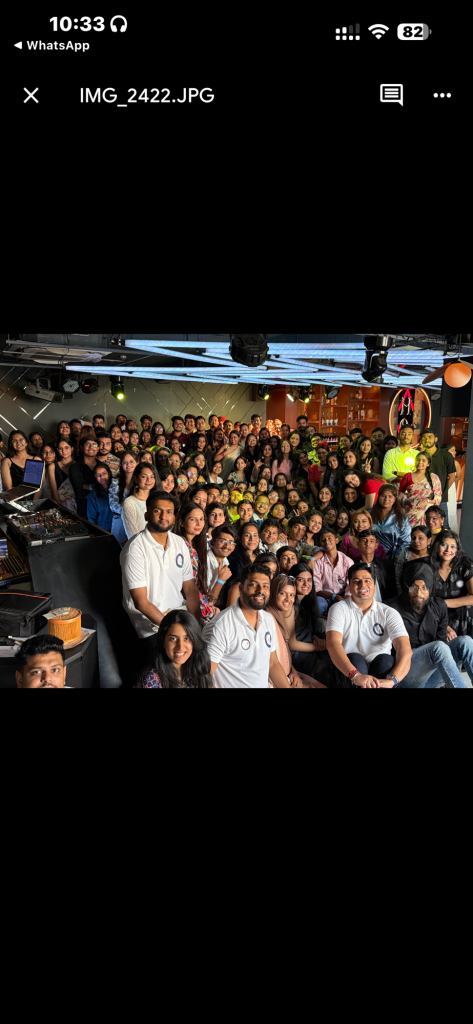
The experience of Deepak is one such example that truly represents the philosophy of Pehchaan The Street School in the most compelling manner. Initially, Deepak was a student enrolled at Pehchaan The Street School in class 3. With hard work and continuous assistance, Deepak persisted in his education through the years. Today, after being associated for eleven years with the organization, he volunteers as a teacher. In this way, Deepak not only mentors other students but also works with them in the same surroundings where he himself studied.With the organization marking its eleventh year of influence, Pehchaan The Street School is gearing up to mark this momentous occasion through an exciting celebration that will be filled with enthusiasm and thankfulness. The celebrations is going to feature volunteers, friends, and other individuals who will come together through games, sharing their experiences and memories, delicious food, presents, and other engagements. This will serve to acknowledge those individuals behind this story and encourage others to join in on this journey. Pehchaan The Street School’s dedication to fulfilling its mission gets reinforced by various collaborations. In one recent collaboration between Pehchaan The Street School and Enactus DTU in Rohini Centre, another important development took place. Members from the organization made a visit to the centre and provided assistance to the learners in the form of outreach activities inside the college society. An interesting workshop was arranged by them to make students aware of upcycling of plastic wastes. Besides this, some basic stationery items like notebooks and pencils were distributed among them.
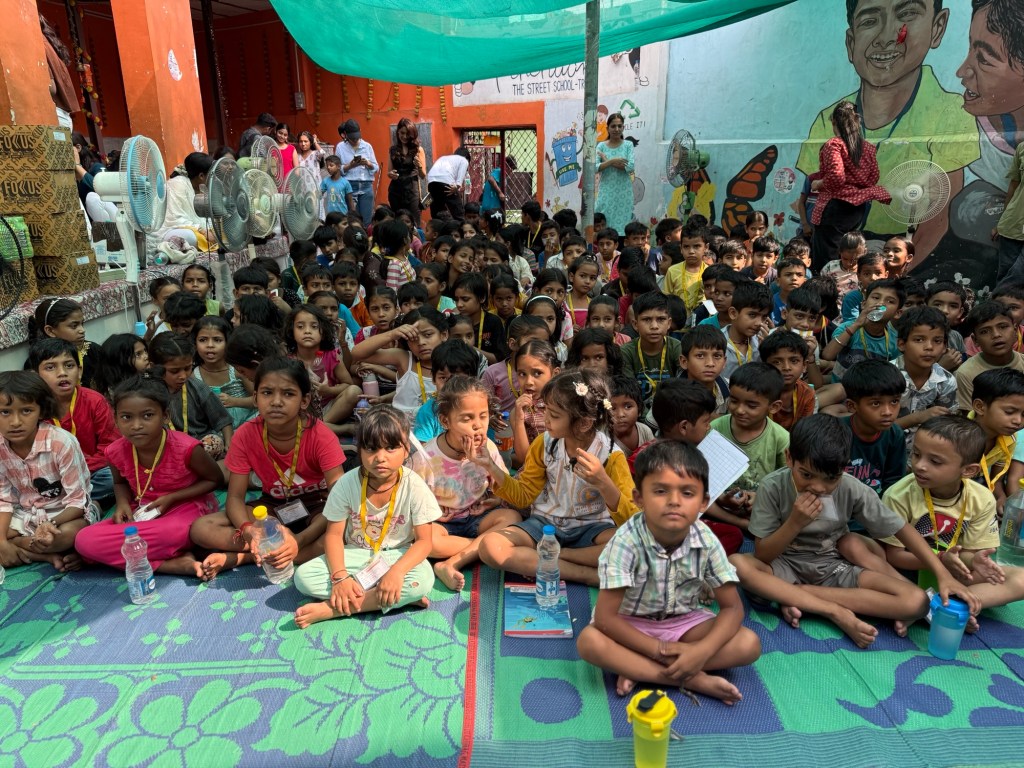
While focusing on accomplishments, the NGO is also facing various immediate concerns. During the summer season, there is excessive heat which adversely impacts the studying environment in those centres where around 1600+ students gather for studies. Lack of any cooling facility creates difficulties in making the classrooms comfortable for these students. For addressing these needs, donations of ceiling fans, table fans, stand fans, besides stationery, eatables, and beverages, are required from the well-wishers.
Any contribution of time, effort, or money results in concrete change. It is evident from eleven years of service that any form of change is possible when people join hands in empathy and determination. Starting from Deepak’s example of inspiration, Pehchaan The Street School demonstrates that education truly has the power to make a difference in people’s lives.
As the organization moves ahead into its future endeavors, we invite everyone to be a part of its success, not only by supporting today but also by working towards a more promising tomorrow. It sometimes just takes one notebook, one fan, or one hour of teaching to turn things around.
Summers offer a season filled with warm sunshine and extended hours of daylight, but for students, summer presents learning troubles that need to be overcome. One thing that Pehchaan The Street School works towards through several centers is the realization that education is a basic fundamental right for all children. Currently, extreme heat conditions and inadequate on-ground facilities are hampering the progress of education among the students who rely on such centers.
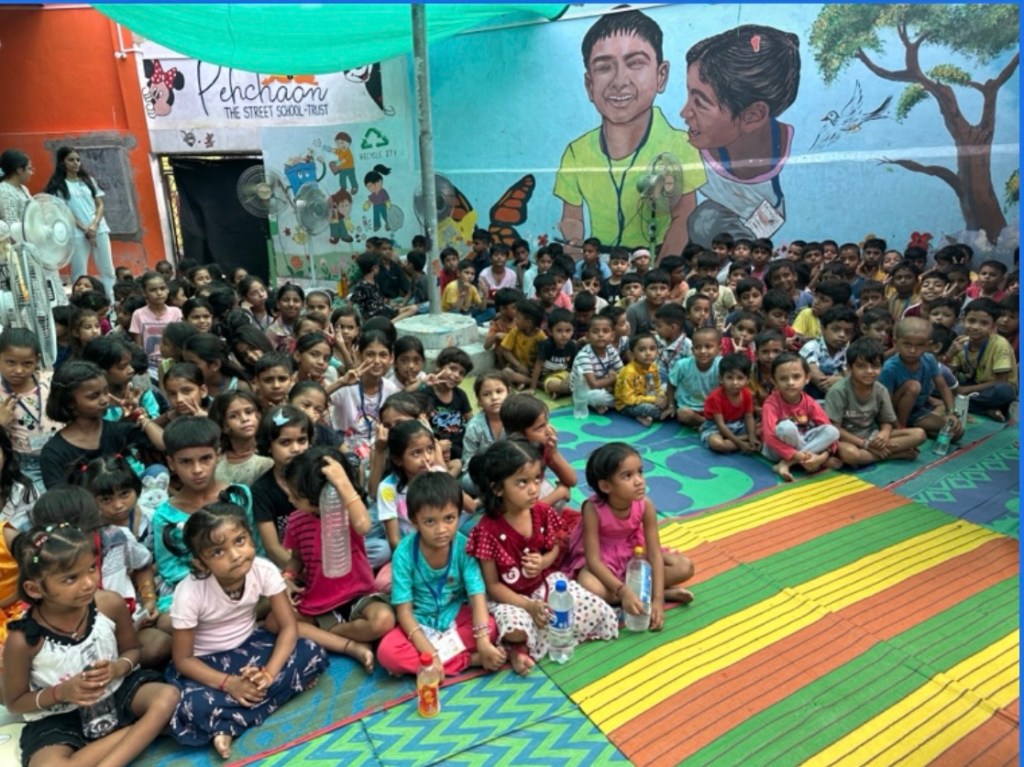
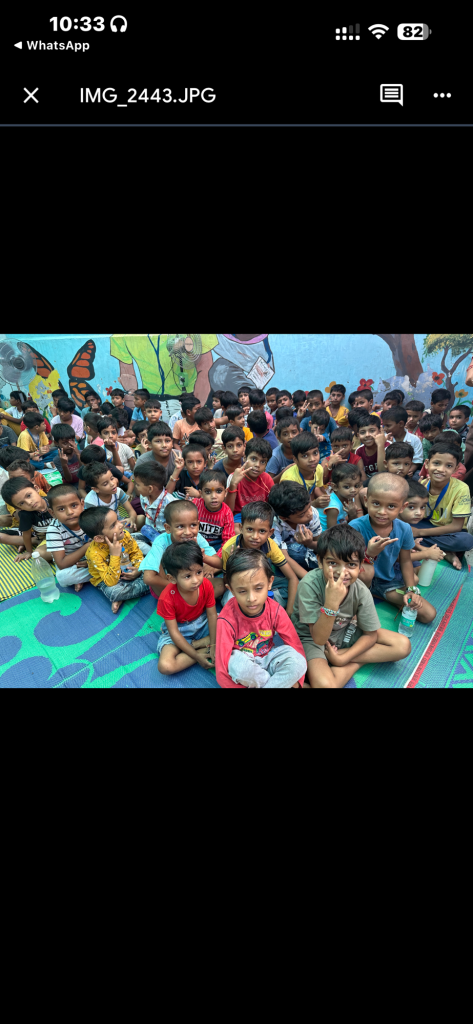
Currently, Pehchaan The Street School offers its services to 1600+ students through several centers. In these centers, guidance, coaching, mentoring, and inspiration is provided by volunteers in order to enhance their learning abilities. However, there are centers where the necessary cooling equipment is not available, thus making it hard to manage the classes because of severe climatic conditions. It is getting hard for the students to focus and attend classes regularly.
In order to address this critical issue, the organization is urgently calling for donations of vital summer requirements.
The most urgent requirement includes the donation of ceiling fans, table fans, and stand fans to ensure proper ventilation and make it convenient for the students to learn. Along with the fans, there are many other things which the organization requires and those things include stationery, food stuff, and beverages.
The presence of one fan alone at a center can enable many students to concentrate better. The provision of a single notebook would enable others to study uninterrupted. Food and beverages would allow them to enjoy classes even during the hottest parts of the day. It is the small acts of charity that usually have the greatest effect when performed on the right recipients.
Besides financial contributions, Pehchaan The Street School requires more individuals willing to join as volunteers, interns, and members. There is a scarcity of volunteers at present due to which there have been some difficulties regarding ongoing classes. With the problems created during the summer period in mind, the need for volunteers is more important today than before.
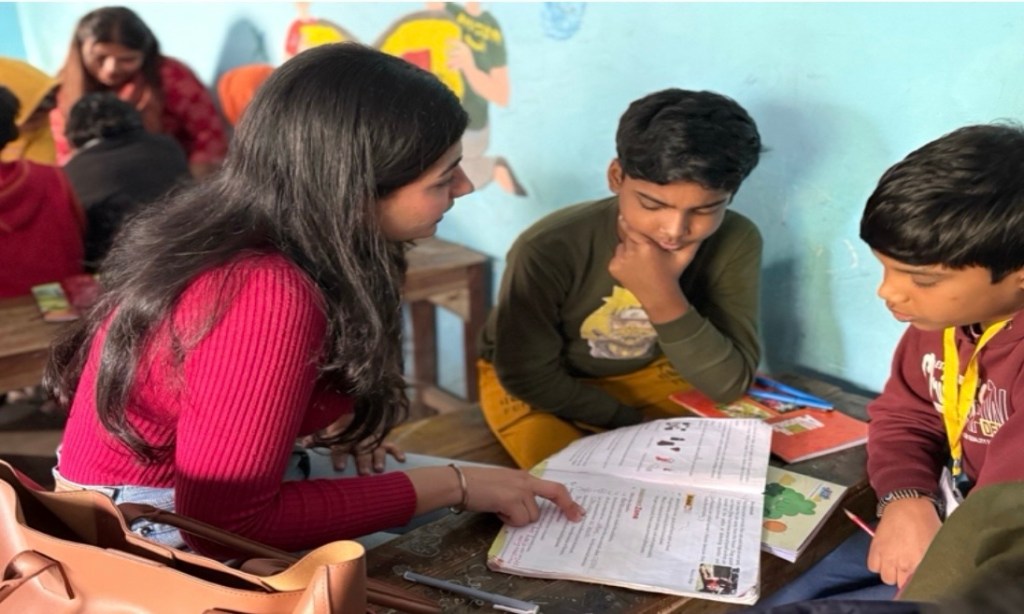
Volunteers, interns, or members from students to professional individuals to graduates and all those people who are interested in education can come forward and help in this cause. The volunteers can conduct classes on various subjects and guide children, organize activities and so forth, whereas interns will have the opportunity to learn more about the social sector.
A small bit of effort put in each week by all volunteers will enable consistency and inspire students even in tough times.
Each individual who joins us becomes a part of this movement of respect and responsibility towards others and ourselves.
For eleven years, Pehchaan The Street School has demonstrated that community initiatives can turn things around for children. This summer is yet another chance to be by the side of students who need a safe, stable, and continuous learning environment.
You can do two things very easily: give your resources or offer your time. Your effort will not go unnoticed. Your effort will make a difference.
By taking action, classes continue even in the midst of sweltering temperatures.
Between April 14th and April 20th, something truly remarkable happened at the heart of Pehchaan The Street School. Not only were these days filled with activities, but they were evidence of what dedication, backing, and faith in education can do.
Pehchaan The Street School is not just about education; it is a space for empowerment, encouragement, and a chance where there was none before. These days are proof that change does not need to be radical; sometimes, all that is needed is the creation of minor ideas that create major impacts on other people’s lives.
A Leap into the Digital World and a Gateway to Equality
At the Noida Center of Pehchaan The Street School, it is a matter of success that 12 computers have been set up and classes related to these computers are in progress.
Today’s world is an advanced technological world, and digital literacy has become a need. It doesn’t matter whether you want to apply for a job, want to improve yourself, seek knowledge, or search for your future career opportunities; you need technology for all this. Unfortunately, for some children, the access to computers and their education is quite difficult to get.
This project is more than just providing computers as it represents possibilities for the students at Pehchaan The Street School. Envision a student who uses a computer for the first time. It is an experience of curiosity, intimidation, and joy. As they attend each computer class, they are not only learning how to operate a computer but also gaining self-reliance and confidence.
With the incorporation of organized classes on computer usage, Pehchaan The Street School is making deliberate efforts to narrow the digital divide. They are making sure that these children are not left behind but are provided with everything that would allow them to proceed.
Nevertheless, all such projects require encouragement for their success. Improvement in the digital environment by providing them with additional computers and resources can benefit many more kids. For those who wish to be an effective part of the process, nothing can be more beneficial than supporting digital education.
What further adds to the importance of this program is its potential for future results. Digital literacy is not only about handling a computer; it opens up a world of information, possibilities, and independence. For many students from Pehchaan The Street School, this experience can be the beginning of an entirely new career path that was out of reach before. Regardless of whether it is understanding how to code, accessing educational websites, or even becoming comfortable using technology, all of these will have positive consequences well into the future.
The Power of Collaboration Between Youth: Creativity and Connections
This week also saw a beautiful collaboration between the organization named Pehchaan The Street School and another NGO named Girl Up Raabta (India). It is actually a club run by youths in association with the worldwide campaign known as “Girl Up.”
They organized an event at Kamla Nagar Centre on Sunday.Besides all the material items, they managed to find something creative to give life to a workshop, where the participants created bookmarks from pieces of paper and ribbon.
A little more than 100 children participated in the workshop, and they all gave in what they had with regard to their own creativity and imagination. The exciting part about it was the use of children’s mind during this process. Each child exercised his imagination and developed his own design according to his character. Such creative activities are very important in the development process of children. In fact, these activities give them a chance to express themselves.
In addition, partnerships such as this serve as an amazing example of the huge effect of the work conducted by youth groups. Through unity and participation in the activity, the youth also bring with them relatability and comprehensibility.
In any case, at the end of the activity, there were also candies and chocolates that were handed out, adding to the festive nature of the event. However, at the end of the day, it leaves us with the thought that learning and knowledge can only be meaningful when shared.
This is one way of fostering joint learning experiences. While the youth learn something new by engaging in the activity, it also helps to teach the volunteers and partners about resilience and gratitude. It fosters an appreciation for empathy and dispels myths while instilling a sense of responsibility.
Determination Celebrated: CBSE Class 10th Results
Pehchaan The Street School had another reason to be proud of, as the CBSE Class 10th results were announced. Pushkar Kumar scored 61%, Gaurav scored 67%, and Priya got an amazing 84.71%. While these could just be mere figures written down on paper, each one is in reality an embodiment of perseverance and effort that goes into attaining them. Scoring these grades is no simple task for children from Pehchaan The Street School. There are many challenges that need to be crossed before arriving at these figures.
This is evidence of the efforts put into this achievement as well as continued mentorship.
Priya’s score of 84.71% serves as evidence of how much can be accomplished through determination if the proper support is there. In a similar manner, the scores attained by Pushkar and Gaurav show dedication.
It is important to celebrate such successes because this helps to encourage other young minds. When other students witness such successes, they start believing in their potential to attain such levels too.
When education is consistently provided, then it has the ability to change one’s life completely. Such changes are gradually witnessed at Pehchaan The Street School.
Learning Through Experiences an Interactive Clay Activity at Noida Centre
An additional element of learning through experiences was incorporated into the week through an interactive session of clay activity carried out at Noida Centre by Atma Nirbhar Soch – Think Tank. Students were asked to create different things from clay and magnets while experimenting with different objects and shapes. What made this particular session unique was that it was completely experiential in nature. Experiential learning is vital for children’s growth because not only does it involve going beyond books but also learning through hands-on experience.
It is one experience of happiness to create something using one’s hands. This offers a certain feeling of achievement and ownership which theoretical learning cannot give.
The class was left on a happy ending with cutting the cake followed by distributing chocolates, Frooti, and chips. Such celebrations might appear insignificant but play an important role in the creation of the positive learning environment.
These are moments that teach students that learning can be a joyful process, and they are appreciated for their effort.
Beyond the Classroom: Creating Lasting Links
Even though individually each concept has its own merits, when put together, they paint an even greater picture of what Pehchaan The Street School is all about. Pehchaan The Street School not only educates the children but also acts as an institute that builds connections, nurtures self-respect, and inspires dreams. If you happen to be in Delhi or are planning to visit the city in the coming days, here are certain things that you need to do at the centers of Pehchaan The Street School.
Establishing links with the children in different ways enables people to make a connection with them. In many cases, all one has to do is show up and either educate them or listen to them.
How Can You Contribute to This Initiative?
The projects going on at Pehchaan The Street School rely heavily on teamwork. There are several ways an individual can get involved and help in this cause:
Digital Resources: Funding for computers or donating other digital means will facilitate greater computer literacy classes.
Educational Resources: Stationery items, textbooks, or other educational supplies enable children to learn more efficiently.
Basic Needs: Contributions like eating items, lights, fans, or coolers will greatly enhance the classroom environment.
Volunteering: Individuals can teach on-the-ground or conduct workshops for children.
Student Sponsorship: Contributing towards the education of children will help build a stable educational path for them.
Every small effort can make a difference in creating change.
A Week Reflective of a Bigger Picture
This week’s activities have been a mirror image of something greater, an educational system that is not only inclusive but also empowering. With activities like using technology in the learning process, fostering creativity, recognizing success stories, and forming networks, Pehchaan The Street School continues to create platforms that go beyond traditional classroom learning environments.
However, what makes the whole process so inspiring is that there are other people making all these possible: the learners who bring hope to school every day, the volunteers who dedicate their time and effort, and the contributors who believe in the vision.
It would also be helpful to consider consistency, which can also play an important role in sustaining the impact that your contribution creates. One-off contributions might have some effects, but if you keep making efforts on a consistent basis, even small ones like volunteering or donating, you will contribute towards creating a certain consistency in the process of learning.
Transformation requires time, patience, and collaboration but here it has already begun.
Living in an era when opportunities for education have continued to be uneven, change can start at the bottom with those people and organizations willing to break down barriers. One of such projects is Pehchaan The Street School, an endeavor that takes the concept of education beyond the theoretical and makes it real for children who would otherwise be denied access to it.
From being just an attempt to provide education to underprivileged children, Pehchaan The Street School has grown into much more than that a project based on cooperation, youth involvement, institutional recognition, and shared responsibility. Recent developments and achievements of the organization speak for themselves.
Re-Imagining Spaces: Youth Participation in the Tarang Fest of Lady Shri Ram College for Women
Education goes beyond classroom learning. It is a process that occurs through conversations, experiences, and exposure. This can be best experienced through an event held annually at the college premises – the Tarang cultural festival of Lady Shri Ram College for Women, where Pehchaan The Street School had a stall over three days.
In the midst of all musical entertainment, the stall of Pehchaan The Street School turned out to be a place of discussions and thought processes. Not just the products on display but even the history behind them attracted visitors towards our stall. The handiwork of each product reflected effort, perseverance and hopefulness of children who believe in building a better future through education.
One more aspect of such activities is related to the learning experience for the volunteers themselves. Managing a stall during a college festival entails cooperation, interaction, and adaptability skills. They not only act as representatives of the organization, but they also train themselves to deliver the ideology of the organization to individuals from different walks of life. Such an active participation fosters the sense of dedication and responsibility within the volunteers that makes them feel more connected with their activities. They then play an active role by promoting the notion of inclusive education amongst their known circle. Even more important than this was that the stall became a platform of engaging with the youth. The students who visited our stall engaged in a conversation and many of them took much more time than expected, in knowing about education and how they too can contribute to making a difference.
Campus grounds possess a tremendous amount of power to influence thinking and behavior. These are grounds for ideas to be sown, empathy to be fostered, and social responsibility to be translated into action. With Pehchaan The Street School making use of these powerful grounds, more than just fundraising took place. A pool of knowledge-driven and inspired individuals was formed who were committed to doing more than themselves.
Even something small as purchasing an item, spreading knowledge, or having a conversation became relevant. It all signified a move from awareness to action, emphasizing the need for youth involvement.
Voices Amplified: Media Mention on Pulse of Noida
Although it is grassroots action that drives change, it needs to be visible to attract more people. Pehchaan The Street School has taken the first step towards gaining recognition as it gained a mention on Pulse of Noida.
Media mentions play a critical role in getting more people to support, collaborate, and participate in the activities of NGOs and other social ventures. Apart from ensuring that people are aware of the cause, and what it is that the organization aims at achieving, it also increases the credibility and reliability of the whole venture, especially for those interested in being part of the effort.
The use of storytelling in raising awareness about various social issues or causes has been going on since time immemorial. Through these stories, injustices and other problems are brought into the light and motivate people to do something.
At the same time, such awareness also ensures that all the efforts put forth by the organization are worthwhile. This gives assurance to volunteers, donors, and other beneficiaries, making them believe that their contributions are worth it.
Credibility and Commitment: Acknowledgment by Sertifier
In the dynamic world of social interventions, credibility and structure are important elements necessary for making a lasting impact. This can be seen through Pehchaan The Street School having obtained the Gold Credential Leader Badge from Sertifier.
These acknowledgments are not just forms of recognition; they show that the organisation follows a process of being organized and accountable. In addition to passion, there is also structure in what the organization does.
To the stakeholders such as donors, partners, or volunteers, this acknowledgment means something more than mere recognition; they get peace of mind that their efforts will not be in vain.
Furthermore, the significance of incorporating technology and systems into social organizations is brought to light by the achievement of this milestone. The more Pehchaan The Street School expands, the more vital it becomes to ensure efficiency and accountability. The awarding of such certificates indicates that the organization is prepared to expand without compromising its vision.
Beyond Boundaries: Internship Programs and Global Involvement
One of the important developments at Pehchaan The Street School is its increased global footprint. With internships offered to people from all around the globe, Pehchaan The Street School has managed to set up a global platform that has gone beyond geographical boundaries.
The internships are not only meant to serve as learning grounds but also provide an opportunity for people to understand the dynamics of ground realities first-hand. While working with the organization in areas like content creation, research, outreach programs, and initiatives at the grassroots level, interns also get to understand the intricacies involved in social development.
Global involvement has many benefits for the organization. It provides diverse perspectives that lead to new ideas and new methods. Moreover, it helps the organization create a collaborative culture wherein individuals from diverse backgrounds can collaborate for a common cause.
Interns too have their own life-changing experience. It requires them to step out of their comfort zones and help address problems in the real world. It helps them become more empathic and responsible. In times of globalization, such programs help show that collective action is needed.
What’s more, the increasing incorporation of digital technologies within the organizational framework has greatly contributed to their ability to engage in global participation. With the advent of social networking sites, virtual campaigning, and working through online forums, it becomes easy for Pehchaan The Street School to break down any physical barriers that exist and create a connected world. This will ensure that they continue with their activities despite the unavailability of face-to-face interactions. Technology can play an important role in social ventures provided that it is put to proper use.
No matter where they come from, change can occur only when individuals choose to be a part of it.
Collective Responsibility: CSR and Opportunities for Donation
The concept of collective responsibility forms the very essence of the work done by Pehchaan The Street School. Sustainability is impossible without teamwork, hence, individual as well as organisational participation is necessary for success.
CSR initiatives are some of the ways through which Pehchaan The Street School can bring on board companies willing to help with the achievement of their aims. CSR collaboration is vital for expanding the scope of the activities of this organisation.
Collaboration is not just about the money, it is much more than that. By working together with Pehchaan The Street School, corporate organisations will be playing an important part in building an inclusive educational environment.
Equally important is the fact that personal donations are also essential. Personal donations have the capacity to bring about great change, and every single contribution will have its own impact on the educational process of a particular child.
Tax deduction benefits provided to donors are an additional motivation for people to participate in charitable actions, but there are even greater rewards awaiting those who make their personal donations, such as the satisfaction that comes from knowing that you help build the future of a certain individual.
Impact from the Little Steps
One of the most striking features about the development of Pehchaan The Street School is its capacity to turn little steps into big differences. Every little thing counts be it a discussion at a college fest, a mention in an article in the media, an award from a certification platform, or even a gift from an individual.
On their own, these little things might not make much difference, but collectively they create ripples, and people begin to feel inspired to make contributions.
This philosophy of creating impact goes against the idea that big impacts must have been made through big steps. Instead, it highlights the fact that impact usually arises out of collective effort.
The Future: A Movement, Not Simply An Organisation
With each passing day, Pehchaan The Street School grows, revealing itself not simply as an organisation but as a movement. A movement fueled by a purpose, supported by a community, and amplified through collaboration. Also important is the effect that the projects will have on the lives of the children as well. Education provided to them via Pehchaan The Street School goes beyond just providing them with information, as it gives them confidence, makes them feel worthy, and enables them to imagine their futures beyond what they currently face. This then builds up a pattern of empowerment, making education a means of overcoming boundaries and creating possibilities.
The story of its success underscores the potential of education to foster transformation and the necessity of its universal availability. The contributions of the youth, media, institutions, and individuals towards creating positive change are highlighted in the process.
Ultimately, however, it acts as a stark reminder of the power of collective action. It demonstrates the potential of humanity when united under a common goal and how, in the midst of any hardship, the coming together of people can open up new paths for progress and optimism.
From its origins on the streets to its current influence on global stages, Pehchaan The Street School continually reinvents the concept of education, empowerment, and inspiration.
From Classrooms to Community; Recent Meaningful Collaborations of Pehchaan The Street School.
In places not everyone has equal access to education. Real change often starts with acts of kindness. At Pehchaan The Street School these small acts add up to make a difference. They are creating a movement that values dignity, inclusion and opportunity.
From March 31st to April 6th Pehchaan The Street School did things to show they care about education and community. They had helpers and got recognition from around the world. Each step showed that when people work together with a goal good things happen.
Pehchaan The Street School is making a difference with education and community. They do things that add up to people and make a difference. Education and community are important to them.
One Power: The Gift of a Family at GTB 1
In the spirit of change that Pehchaan The Street School strives for, individuals, families, and communities have been given the ability to be the bearers of this transformation. The gift of change was given by one such family when they took their Sunday morning off to give back to society.
Their contribution, though modest, was quite profound. More than seventy students were presented with basic school materials, including copies, pencils, pens, rubbers, and sharpeners, along with some refreshments, including Frooti and Munch. These may appear to be elementary requirements for most of us, but their importance is realized only when viewed from the perspective of a child trying to cope with limited resources.The notebook does not consist only of paper anymore; it is a place of idea formation. The pencil turns out to be an enabling tool for expression. They are no longer school necessities; rather, they become tools that allow continuity in education.
What made this project special is its personal aspect. Involving members of the family in providing support closes the gap between giving and belonging. It changes the whole concept of generosity into a joint effort. For the children, it is not only about acquiring school stuff; it is also about being acknowledged and appreciated by other people in society.
It promotes a kind of environment where empathy is taught from generation to generation, where children experience the value of reciprocating, and where communities do not treat education as something separate but rather as their common goal.
When Stories Travel: Media Recognition by Pulse of Noida
While grass-root level activities set the foundations for success, it is storytelling that ensures these activities can extend beyond their immediate environment. In recent times, Pehchaan The Street School got an opportunity to feature on “Pulse of Noida” thus giving its story a wider exposure. The role played by media recognition cannot be understated when it comes to social change projects. Not only does it give voice to issues that have been long ignored but it also establishes a connection between the organisation and its future patrons.
However, apart from providing publicity, such recognitions hold a different weight altogether as they build credibility among numerous other initiatives striving for social progress.
More important than anything, it serves to motivate others. One article alone can motivate individuals who would have never even thought about giving back in any way possible.
As for the Pehchaan The Street School students, this recognition also serves as a representation to them. They are shown that what they are doing does make an impact somehow.
Apart from recognition by the media, Pehchaan The Street School made yet another important achievement for itself by receiving the Gold Credential Leader Badge from Sertifier. As much as accolades show success, there are things more important than that namely, what lies behind it.
This award symbolizes more than just being a badge; it symbolizes structure, honesty, and quality. It signifies not only the desire to make an impact but to do so consistently and effectively.
In terms of the field of education, which is based on long-term achievements that can hardly be assessed by numbers, such awards become extremely valuable. They will give confidence to their donors and volunteers that they have done the right thing. More importantly, they show standards for the organization. It proves the culture of the organization where accountability, excellence, and innovation are greatly appreciated. These actions must also be sustainable and effectively managed.
When it comes to the grassroots organization, having such accreditation means that they could strike a balance between empathy and efficiency, which is essential in creating impact.
Beyond Borders: Broadening Possibilities with Internships
The most unique element of Pehchaan The Street School’s story is its increasing international presence. By way of its internships, Pehchaan The Street School has been able to create a platform where people of different kinds can come together for a common purpose.
Internships provide an opportunity that goes far beyond that of volunteering. It is an experience where one not only learns but also collaborates in achieving a common goal.
That which makes this project even more successful is the fact that this is a project which values diversity. With people being involved in this project from all over the world, Pehchaan The Street School is able to create a colorful tapestry of different viewpoints.
The interns have as much to benefit from such a situation, as they will get the chance to apply what they learned and deal with real problems, learning about grassroots activism, and contribute their efforts in order to produce some results.
In a world where globalization is becoming increasingly relevant, such global participation can be seen as pretty progressive, especially because in trying to get an education and equal rights, people transcend geography, making this issue of importance for mankind as a whole.
Sustaining the Mission: The Importance of CSR and Donations
Although personal contributions and volunteering have an important place, it is necessary to continue providing continuous support for the sustainability of an organization. This point is where the importance of CSR initiatives and donations is seen.
In Pehchaan The Street School, it is promoted to establish CSR collaboration with other organizations. Through this initiative, the company will be involved in supporting the organization not only financially but also with professional and logistical support.
For the business itself, establishing CSR collaboration becomes a chance to make significant contributions to society. In other words, the organization can make a synergy between its own objectives and societal impact.
Also, donations from individuals and student sponsorships must be emphasized at this point. Every single contribution made has a direct effect on the education of a child.
While tax breaks for those who qualify as eligible donors may lend a more practical perspective on giving, its worth ultimately surpasses any incentive system. It is the understanding that what one does helps a child develop, learn, and reach his or her dreams.
Group backing changes individual actions into something greater. This makes the projects sustainable and enduring, rather than fleeting solutions.
The Broader Perspective: Education for a Cause
In totality, all these programs and accomplishments help create a bigger picture of what Pehchaan The Street School truly means. It is not simply an institution; rather, it is a community grounded by principles.
Whether it be a family donating stationery or a network receiving attention in the media, whether it be gaining prestige through proper systems or opening doors internationally all these steps are a part of something greater.
And this greater cause, at its very essence, is one of dignity. It is about giving every child, irrespective of background, the chance to learn and carve out their own future.
However, above all, it is about changing the perspective on responsibility. It is about questioning the assumption that change can only happen through one actor alone.
When people do their part, the media boosts its effects, organizations set high standards, and communities unite in support, the effect becomes multiplied.
Conclusion: Small Steps Towards Transformation
The period between 31st March and 6th April is an indication that sometimes, transformation will come from something as small as making a deliberate effort.
A note book being provided to the childrens. A story being told through the media. A badge that shows credibility. An invitation offered to different nations. A donation that keeps a dream alive.
All of these are parts of a bigger web of influence. Pehchaan The Street School has continued weaving these threads into reality, ensuring that tomorrow will be filled with children who enjoy the benefit of access to free education.
What makes Pehchaan The Street School truly unique is their capacity to make all of their endeavors focus on dignity, rather than dependency. No matter how big or small the project may be, all of them are planned in a manner which enables the students to empower themselves, rather than feel like mere beneficiaries. For example, when giving out stationery, there is no sense of generosity involved – it is seen more as an investment in the future potential of the child. Yet another significant characteristic of the programs is the level of consistency involved in their execution. The success of any such project in the field of education cannot be determined based on one single day or even an event. Consistent interaction and support from organizations like Pehchaan The Street School have created an atmosphere where learners can flourish. Such consistent efforts have earned the trust not only of the learners themselves but of their parents and communities as well, who start seeing education as a promising endeavor.
Just as important is the use of storytelling in the organisation. By chronicling and communicating their journey, Pehchaan The Street School achieves not just transparency but inspiration as well. The stories of their students, volunteers, and other contributors serve to establish an emotional connection with the cause. They go beyond numbers and statistics to provide a human face that speaks to people in an authentic manner. Through storytelling, Pehchaan The Street School has been able to inspire others to join the cause and become advocates.
In addition, Pehchaan The Street School demonstrates that collaboration, and not competition, is essential in tackling social challenges. This applies to partnerships between themselves and various other parties such as families, media outlets, corporate sponsors, as well as their interns from across the globe. Such collaborations help in the efficient allocation of resources and efforts towards making a positive difference. It shows that addressing complex problems such as educational disparity is a team effort.
In the end, as all of the activities for the week are coming together, they don’t only leave an immediate impact but also create an after-effect. The child that was helped today might help someone else in the future. The volunteer who interacts with the organization might take their knowledge and skills into the private and corporate life. The business partners who collaborated might continue to develop social projects in the future.
However, the biggest lesson learned from the Pehchaan The Street School experience is that we don’t have to look far for change, because it starts with us.
Education, in its most meaningful sense, is not just a question of books and curricula. It is a question of creating spaces in which children feel seen, feel valued, and feel capable of imagining a future for themselves.” This is what education truly means, and at Pehchaan The Street School, this becomes a reality every day, not in traditional learning spaces but in open spaces, roadside setups, and street corners where learning becomes an act of courage and strength. The week between 24th March and 30th March provided a glimpse into how education is not just a result of individual and collective learning but also of acts of care and celebration that add to the learning environment and make it more inclusive, consistent, and human.The Power of Essentials: Kamal’s Contribution at Rohini.
On a Sunday morning at the Rohini Centre, an event occurred that, though small, had significant implications. Kamal, through an act of kindness, facilitated almost 80 students with school bags, water bottles, stationery kits, and eatables. Though it can be termed an act of “donation,” it is imperative to understand that it is not limited to it. For a child learning in an environment where resources are limited, having access to learning tools is not always certain. A school bag is not only an item; it is an icon. A water bottle ensures that the child does not stop learning due to basic thirst. Stationery kits empower the child to learn without hesitation. What Kamal’s act did was remove barriers. It allowed the children to enter their learning space with a certain level of preparedness. There is a significant difference when a child is holding their own notebook to write or their own pencil to hold.
EID CELEBRATION IN CENTRES
Festivals play a special role in a child’s life, filling it with joy, warmth and excitement and a chance to create vibrant memories. They become more meaningful moments that shape their experiences and happiness, making them an essential part of their growing years. In Pehchaan The Street School Eid is not only celebrated, it is celebrated together. Thus, it is not only a sensitive topic, it is a topic of emotional connectivity. Eid was celebrated by distributing eatables at all centers on the 21st of March. While the act of distributing food is an act of kindness, it is not only about distributing food, it is about the involvement of students in creating Eid cards. These cards, made from whatever is available, carry the message of happiness, creativity, and expression.
In classrooms where children, from different backgrounds are together, festivals play an integral role. These festivals not only create an opportunity for students to know about different cultures, traditions, and values, but they also create an opportunity for students to feel a sense of belonging.
For many children at Pehchaan The Street School , such celebrations may perhaps be one of the rare occasions for them to freely take part in such events without any restrictions or limitations. Sitting together, eating together, smiling at each other, and making something by their own hands may perhaps bring them as much emotional satisfaction as their intellectual development through learning.
Eid at Pehchaan The Street School , therefore, was not just a celebration. It was a reminder that education is as much about promoting empathy and togetherness as it is about promoting lessons.
PERSONAL MOMENTS , SHARED JOY; NITISHA’S BIRTHDAY AT INDRAPRASTHA
While birthdays often represent personal moments in an individual’s life, they also assume a new dimension when shared in an environment like Pehchaan The Street School.
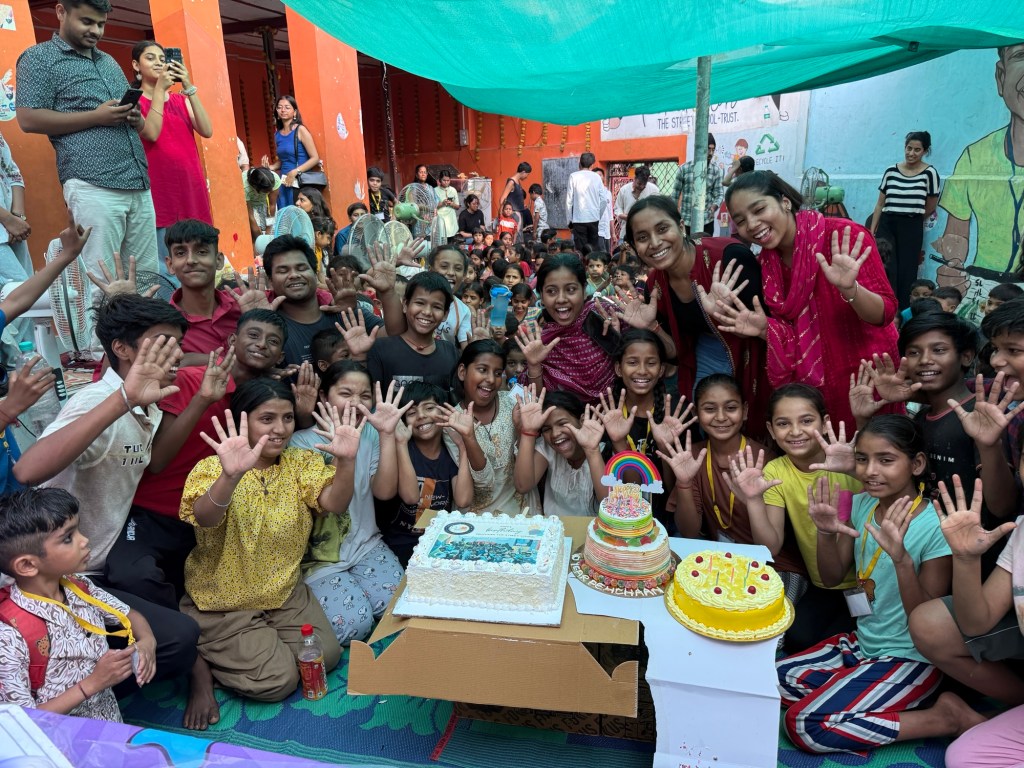
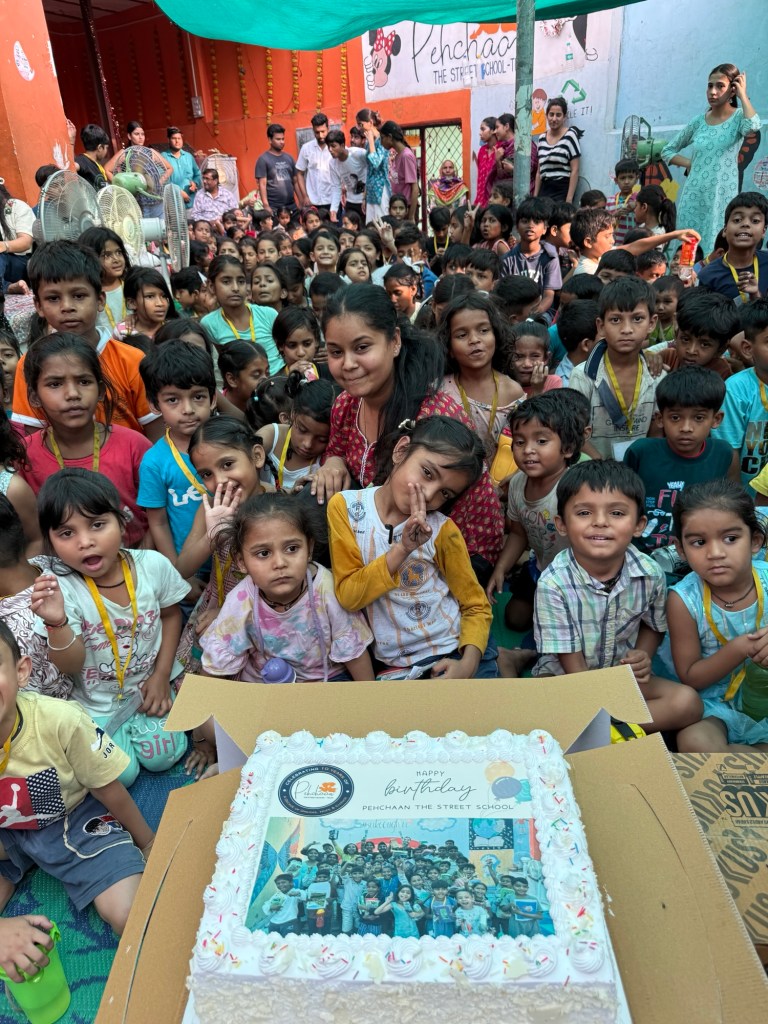
In this case, Nitisha Srivastava an intern decided to share her personal moment with students at the Indraprastha Centre. This was achieved through cake cutting and the distribution of Frooti and chips among the children. This simple event was significant on an emotional scale.
For students, this shared joy creates a sense of closeness and association with an individual. This shared moment bridges the gap between “teacher” and “learner,” creating a new dimension in their association that is more personal and relatable. This shared moment also provides an opportunity for students to look at their mentors as people rather than instructors.
Such experiences redefine the meaning of celebration for interns like Nitisha. “Sharing my special day in a space like Pehchaan The Street School changes the meaning of celebration. It’s no longer about receiving but rather about giving. It’s no longer about the occasion but rather about the people.”Shared celebrations also form a part of building trust within the classroom and helps to create memories for children, reminding them that they are part of a community
CELEBRATION WITH FAMILIES; ARUSHI AT KAMLA NAGAR CENTRE
While it is important to have individuals involved, it can also add a dimension to the activities if families get involved. The birthday celebration of Arushi at the Kamla Nagar center, in the presence of her family, is a good example of how beautiful it can get. The activities included cake cutting, distribution of eatables, notebooks, and pencils for all students. The presence of Arushi’s families made it not only an event about celebrating an individual’s birthday, but it became an event about celebrating with the larger community.
The involvement of families can add another dimension to the activities. When families are involved, it becomes an event that helps build the bridge between two different worlds. It helps students to associate with people from different surroundings. It is an event that reflects
the larger commitment to education, not only at the level of individuals, but at the level of families.For the students, receiving notebooks and pencils while they celebrate is not only a joy but also a necessity.It also helps them understand that one can learn while having fun at the same time.Learning is not always serious and strict; it can also be fun and casual.
The celebration of Arushi’s event is an example of how learning can be extended to include families so that small acts like providing students with notebooks and pencils become occasions for belonging and responsibility.
YOUTH ENGAGEMENT AND COMMON GOAL; THE VISIT FROM HINDU COLLEGE
Another notable event of the week was the visit to the Dhakka Chowk Centre by a society from The Hindu College. The children from the society distributed stationery kits to the children. This is one way of contributing to the children’s learning environment.
Youth engagement is one factor that is very important in determining the future of educational initiatives. When young people walk into places like Pehchaan, they bring along new ideas and a new way of looking at things. They not only contribute to the children’s lives; they also open doors for them to learn from one another.
For the children at Pehchaan The Street School , the interaction with the young people from the college is not only inspiring and aspirational; it is also a way of exposing them to possibilities they did not know existed.
For the visiting students, this experience can be just as life-changing, as they are introduced to aspects of life that are outside their academic sphere of influence.
This interaction also highlights the need to foster links among different segments of society.
Education, in this regard, becomes more inclusive.
What do all these moments, contributions and celebrations, visits have in common? The underlying theme is that education is not built through infrastructure which is built through relationships, consistency, and care.
The learning spaces at Pehchaan – The Street School are not static; they evolve in relation to the needs of the children they cater to children coming from diverse and often difficult circumstances. In learning spaces like these, every contribution of a bag, a notebook, a celebration, or a visit builds on an ecosystem that sustains education.
While these contributions may look small in isolation of a bag, a notebook, a celebration, or a visit collectively they build an ecosystem where children can learn with dignity; where education is not disrupted because of a lack of resources; where classrooms do not become barren spaces devoid of joy; where children do not feel isolated in their journey to learn.
One of the biggest lessons to be taken away from this week’s readings is the role of collective effort. The fact of the matter is that education, especially in underserved communities, is not something that can be provided by a single entity. Instead, it requires the involvement of individuals, families, students, and institutions all of whom are contributing in their own small way.
Kamal’s individual contribution, Nitisha and Arushi’s personal celebrations, the involvement of Arushi’s family, and the visit by The Hindu College society all of these are different aspects of the educational experience.Each of them deals with different aspects of the educational experience, from the material to the emotional to the aspirational needs of the students.
All of this adds up to a holistic support system that understands that the needs of the children are not just to be met in terms of education.
The process that is currently underway at Pehchaan The Street School is a continuing process. Every week that goes by brings in new challenges and new opportunities. But what doesn’t change is the belief that education is the answer and that it is the answer that needs to be done with intent and understanding. The events of the past week serve as an example that change is not always the result of grand actions, or grand interventions. Change is often the result of small, thoughtful actions that put the needs and dignity of the child first. However, as Pehchaan The Street School continues on this path, the relationship and contributions would continue to hold significant importance. They would not only hold significant importance in fulfilling the immediate needs of the children, but they would hold significant importance in creating a base for change that would not only be long-term, but would allow every child to learn, grow, and dream of a better tomorrow.
Conclusion
What is significant at the end is not what is provided, but how it is provided.
The week was not marked by the events, but by the emotions and associations evoked by those events.
It’s not just about reaching classrooms, it’s about reaching hearts, and this is the philosophy of Pehchaan The Street School.
And through collective efforts like this, that mission keeps going forward, one meaningful moment at a time.
Education, in its most intrinsic form, is not about classrooms, examinations, or even uniforms. Ultimately, it is about gaining access, about gaining some measure of dignity, about gaining some chance, however small, however insignificant, about gaining some idealistic, unyielding, and quiet, belief in each and every single one of them, no matter what their world may be like. The partnership between Pehchaan- The Street School and @shailja.sps, in their act of providing notebooks to students, is a powerful symbol of drastic change in its most elementary form. In a world often swayed by big policy initiatives and grandiose rhetoric, it’s beautiful how this particular step serves as a poignant reminder that sometimes it’s all about the smallest things in life that truly change it all when compassion finds its way with action.
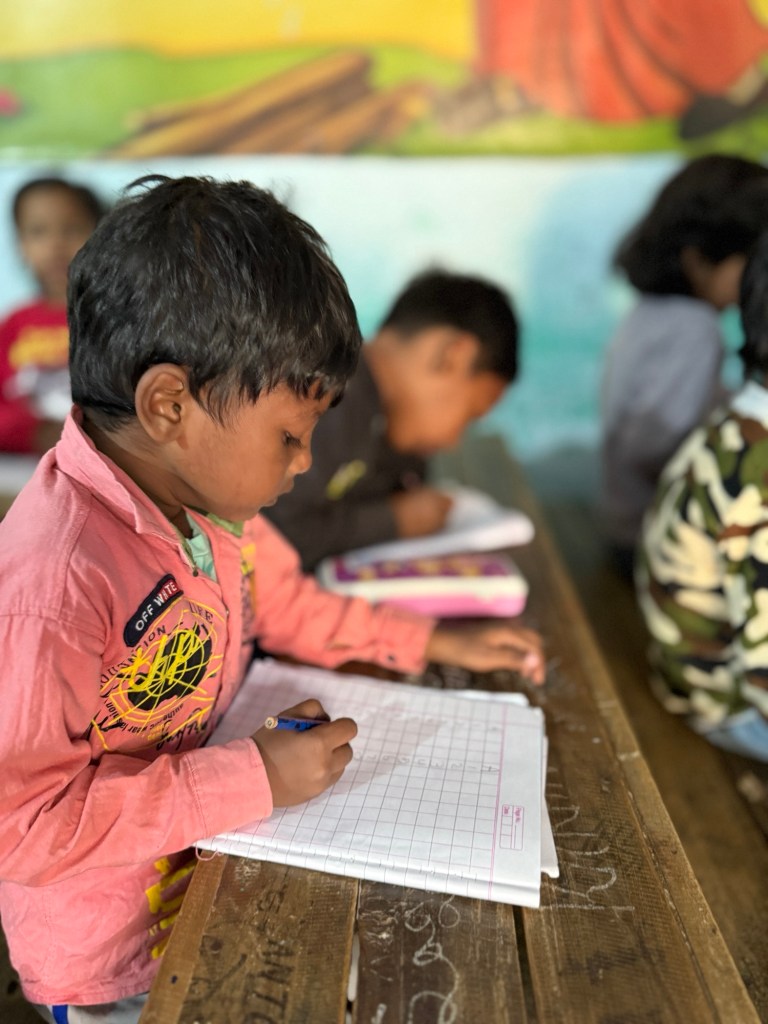
The notebook may be an ordinary object for us all, but in the case of kids who have been denied access to study material their whole life, it’s an object that becomes so much more than just an object, it becomes a part of who they are. A new notebook is “not just a collection of bound-together paper.” It is a “new beginning” and “a place to begin to write stories, learn numbers, think through ideas, and learn to have confidence.” In classrooms where children learn outside traditional classroom environments, such as those on the “street schools,” basic resources such as these are often lacking but also necessary to the learning process.
In today’s world, think about what happens to that little boy or little girl when they’re handed that new notebook. There is an internal change, an internal transformation and an internal sense of ownership, there’s pride, there’s belonging, or as one might say, “The world of learning.” The statement that, “Because every dream starts on a fresh page,” is not merely an exaggeration, but truth. A dream must have a vehicle in which it can grow, and it’s called education.
So this is what happened because of people working together on this project. Notebooks are not things you buy at a store anymore. They started to mean something. Notebooks and children can actually help make things happen and give people power. Notebooks and children can do this together.
Education is really about something simple. It is not about being in a classroom or wearing a school uniform or getting a diploma. Education is about access to things that can help you. Education is about being treated with respect. Education is about having a chance to do things. This is why the link between Pehchaan- The Street School and @shailja.sps, which was founded in response to something so simple, yet so profound, in the distribution of notebooks to students, is such a powerful reminder of the effect of small actions.
In a world that is often preoccupied with big policies and big promises, this project reminds one of the very human nature of change, which begins with small steps when compassion and action come together. A notebook may be an ordinary thing, but for a child who has not had the chance to learn, it becomes a symbol of identity. Pehchaan- The Street School has been consistent in its dedication to an alternative form of education.
This is reflected in its understanding of the need to adapt to the reality of the child, not the reality the educational establishment seeks to create. In its attempts to take education to the street, to the community, Pehchaan- The Street School has sought to dislodge traditional notions of the educational space as being located behind walls.
For them, the mission goes beyond the education of the children in terms of literacy and numeracy skills, but also to instill a sense of dignity, self-identification, and self-confidence within these children, who otherwise remain invisible to the education system in the country.
Everything they undertake, whether through educational drives, awareness campaigns, or association with the community, is an extension of a broader platform of justice through education.
This collaboration fits very well within that vision. This is not charity, it is partnership. This is not a one-shot aid, it is a commitment that we share to the value of continuity in learning.The contribution here by @shailja.sps epitomizes the kind of leadership which asks for no applause but brings change. The facilitation of education through material provision might sound so simple, but it is one of the most straight-forward modes of strengthening learning environments.
The reason for this initiative is that people have an understanding of the problem. The problem of access to education is not about having schools and teachers. It is also about the things that education needs to work like notebooks, books, pencils and a safe place for students to learn in the classroom. The initiative is trying to make sure that education has all the tools it needs including things like notebooks and pencils and a safe classroom environment where students can focus on their education. The issue of access to education is really about all of these things, not schools and teachers but also the tools, like notebooks, books and pencils.
True social value is not created through visibility, but through consistency, authenticity, and responsibility.
This partnership reflects all three. One of the most important aspects of initiatives like these is that children are no longer beneficiaries of “charity,” but beneficiaries of “dignity” or respect. They’re not beneficiaries who require some type of aid, but beneficiaries that can think, can lead, can be leaders. Giving children learning tools is not an act of “sympathy” but an act of “justice” on our part.
A journal held by a child reads: “You matter. Your education matters. Your thoughts matter.”
This psychological affirmation is as important as its very physical resource. It contributes to self-worth, empowerment, and feeling connected, which are core aspects of a holistic philosophy of education.
Education is positioned as being solely the duty of institutions. In actuality, however, it is a common responsibility socially. The ecosystem in enabling or restricting access to learning is formed by families, communities, organizations, individuals, and institutions.
But such a collaboration points to the fact that meaningful change does not need massive infrastructure; what it is asking for is shared intention. When people and organizations come together with purpose, even the smallest of contributions can be the onsets of large transformations.
It shows that scale alone is not the game in social impact, but sincerity, sustainability, and alignment of values.
Not every impact story is loud. There are impact stories told quietly, in the way a child carefully opens his or her first new notebook, in the way that first page is covered in handwriting, in pride of carrying school materials, in excitement of learning something new.
These kinds of instants do not often receive media attention, but they have a lasting impact.
So each notebook used has its own history, its own role in a person’s journey: a first sentence, first scribble, first math problems solved, first story written on its pages.
Material support is necessary, yet belief makes all the difference. For children who feel seen, who feel the support, the experience with education changes entirely. Instead of a burden, it becomes a possibility.
This collaboration accomplishes two important things: it offers resources, and it builds belief.
Essentially, it lets children know that there is someone out there who cares about education and their future.What is important in this methodology is not only the contribution, but the ideology behind making this contribution. This is a collaborative model based upon respect, mutual purpose, and a vision.
This is not an isolated action in terms of social impact; instead, it describes a continuous process of social impact as a “relationship” involving different communities, organizations, and learners.
Such is the way in which sustainable change transpires, not in isolation but in collective effort. Although it may appear to be a small notebook, its effect is amplified by its repeated purpose, learning, or growth. Therefore, by multiplication, it means transformation for many children.
This is the ripple effect in compassion: A notebook leads to learning whereas learning results in confidence. Confidence leads to aspirations and aspiration brings about opportunities Small acts are all part of a larger chain of change.To children struggling with poverty, instability, and marginalization, education is also “a bridge ,-a bridge to opportunities, autonomy, and self-determination.” Initiatives such as this continue to fortify this bridge.They remove obstacles. They create access. They revive hope. The partnership between Pehchaan- The Street School and the social activist @shailja.sps is a humble yet inspiring example of how social commitment can create a significant difference, proving that sometimes it is simply a pen and a notebook that can spark a big change! Yet in this simplicity, something profound is hidden away beliefs in children, beliefs in education, and beliefs in equity.
For every notebook, there is the promise of a lesson to be learned. For every page, the possibility for change exists. For every child, the future rests in their hands.
In a world that tends to value everything in statistics GDP, growth rates, and digital outreach there exists a deeper, qualitative process of growth that occurs in lanes, under flyovers, and alongside traffic signals. This is where hope learns to coexist with scant means and unending resilience. What follows is a tale of hope and survival, of compassion yielding to commitment, of a simple candle flame serving as an allegory of education and dignity, in a partnership between Pehchaan – The Street School and Light TheLove.
At first glance, this is a relatively minor act: handcrafted candles awarded to volunteers. But within this gesture is the complex tale of thankfulness, shared purpose, and the belief in change not through institutions alone but through the people who show up.“Pehchaan – The Street School” is not just an educational endeavor but a revolution in itself. It aims to reverse the lost childhoods of so many because of poverty, displacement, and neglect. The organization operates in a manner that involves mostly children living on the streets, children involved in rag-picking activities, or begging, or child labor and challenges how schooling is perceived. Schooling is not a routine for them. It’s a disruption. A disruption in the cycle of normalized deprivation.
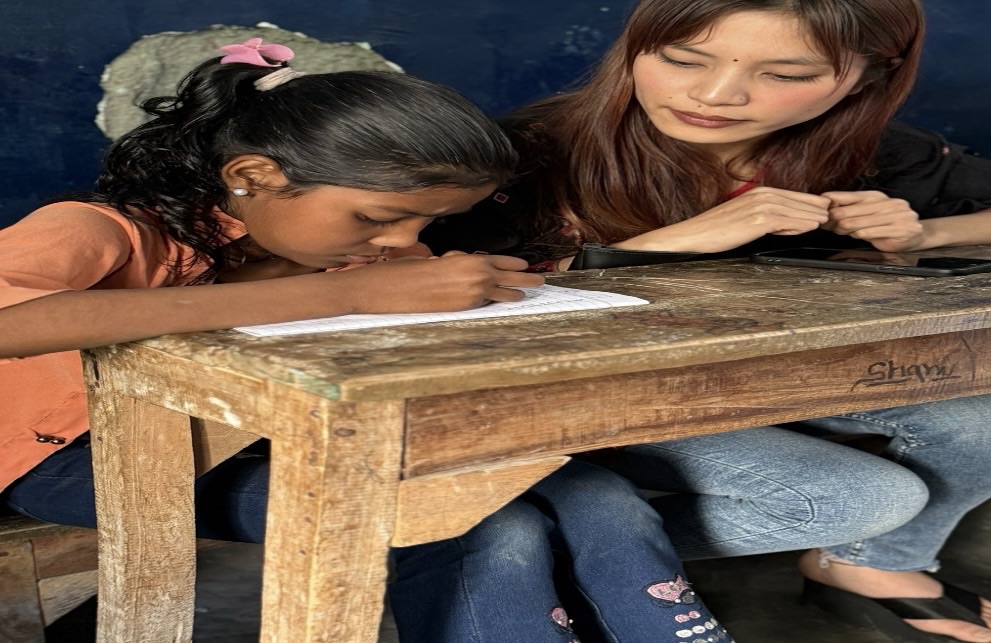
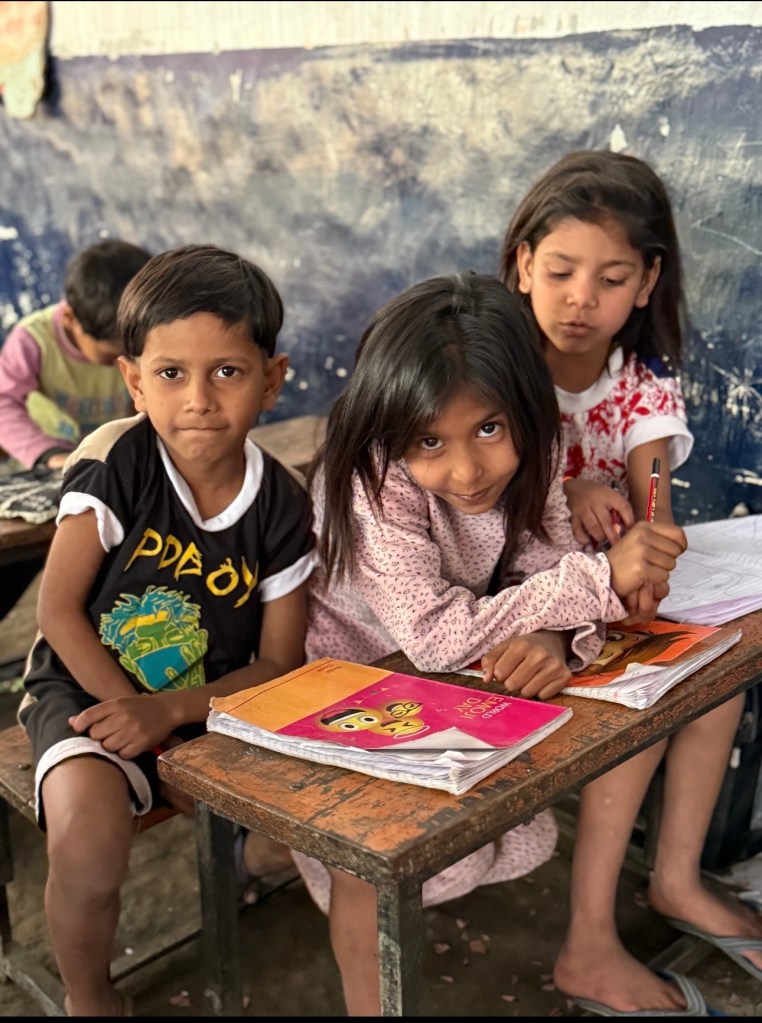
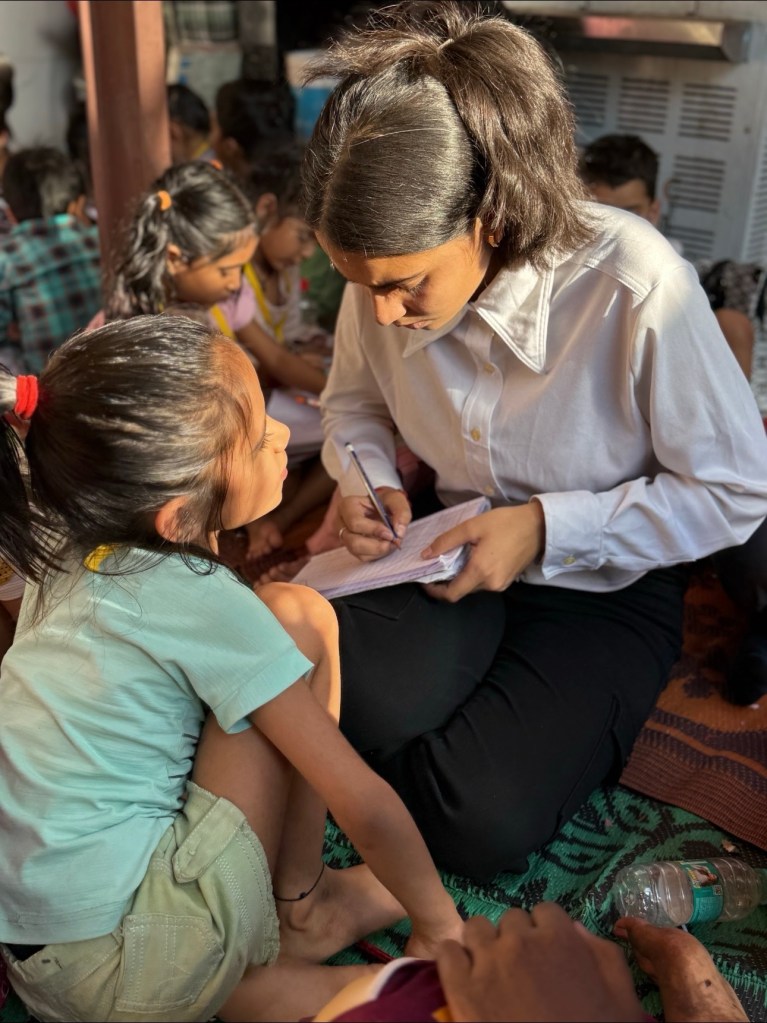
With the introduction of classrooms in the streets and not the other way around, as the children typically would, Pehchaan- The Street School again rewrites the definition of access itself. Volunteers meet the children in the sidewalks, teach them alphabets alongside the tea stalls, and discuss dreams in places where society would usually turn a blind eye. With all this, they convey a powerful message about education that it is not a privilege to be earned , but a right to be honoured.
However, the emotional labour herein is immense. Volunteers navigate trauma, irregular attendance, hunger, and societal apathy. Morale is kept up in such spaces through recognition, which is not for validation but just reassurance that someone has been counting.
Light TheLove enters this narrative not just as a brand, but as a certain philosophy.
Working with Pehchaan- The Street School , Light TheLove extends its ethos from aesthetics into impact. The candle, in this context, becomes symbolic, symbolizing hope that persists in fragile circumstances.The giving of candles to the volunteers in Pehchaan-The Street School was not based on gaining something in return. The giving was relational. It was saying, “We see you.” In the sector where volunteers are frequently burnt out and appreciation is a rarity, this means a lot. It’s a reminder to the volunteers that they are part of a bigger cycle of empathy, a cycle in which different acts of service are drawn from different people to achieve a collective purpose.
The candle means a lot more to the volunteers. This symbolizes the nights spent educating by the dwindling light of the candle. The children are also proud to write their names for the first time in their lives. All small successes make up the future. The lighting of this memento in one’s place becomes a ground for reflection.
What makes this collaboration noteworthy is its refusal to frame impact narrowly. Instead of reducing engagement to mere funding or visibility, Pehchaan- The Street School and Light TheLove show values-based partnerships can deepen social change.
This collaboration underlines three critical lessons for the development sector:
Not all impacts are quantitative. While metrics are very important, emotional nourishment is equally crucial. Recognizing volunteers for their effort assists in the retention of volunteer talent and supports long-term involvement. Brands can participate ethically. Light_TheLove’s involvement does not take the limelight off the cause. The candle is simple but possesses the power to inspire renewal in terms of motivation, acceptance, and inspiration to serve.
From a legal perspective, this combined effort is also compatible with India’s education guarantee under its Constitution. Article 21-A of the Constitution of India states: “Every child has the right to education. The state shall provide free and compulsory education to all children between six and fourteen years of age,” thereby making education a legal right for children between 6 to 14 years of age. Despite this provision, there is a vast gap between the underprivileged children who tend to be on the periphery of legal systems unregistered at the time of birth, unschooled in formal systems of education, and are prone to be exploited. The need for interventions such as Pehchaan- The Street School arises since there are bridging functions between constitutional aspirations and grass-root realities. Rights are implemented through relationships. In this regard, partnerships for the enhancement of such initiatives are not charity but are rather part of constitutional morality.
The story of social change tends to focus on founders, philanthropists, and institutions, but it seldom stops to pay tribute to volunteers: people who donate their time without expectation of return. Many volunteers with Pehchaan- The Street School are students or young professionals trying to balance their personal dreams with their sense of social responsibility. They teach not because it is simple but out of necessity. They choose to be there in person rather than make life easier. The recognition from Light_TheLove thus affirms their efforts-not out of obligation but out of a choice worth respecting.
However, beneath the surface-level significance of candlelight and appreciation, there is also an undercurrent with respect to the societal perception of contributions and value. The perception of children living on the streets is one of the deficits that which they lack, that which they require, that from which they are denied. The impact of Pehchaan- The Street School ’s efforts, in collaboration with the likes of this initiative, is to reverse that perspective in terms of what might be possible. Appreciation of the volunteers lends an increased sense of belonging to them and directly correlates to the quality of attention provided to the children.
This collaboration also points towards the sustainability of the social sector. Grassroots groups tend to perform under conditions that border upon scarcity: emotional, financial, and institutional. While the need for policy change and finance is well-recognized, the need for sustainability is also equally important. This can only happen if human capital is also taken care of. This collaboration between Pehchaan The Street School and Light_TheLove is an example of how, for social groups working under difficult conditions, the need for emotional or similar working conditions is also very significant.
This collaboration provides an example that can be repeated in socially aware participation in an increasingly commercial world. It demonstrates that brands can maintain their distance from the societal reality that they represent, while NGOs do not have to abandon their values in order to benefit from their cause. With such cooperation built on respect rather than recognition, the results can be both ethical and sustainable. The illumination provided in such an initiative, thus, is not only in candles or classes, but in a vision.
This initiative by Pehchaan – The Street School and Light TheLove urges a paradigm shift in thinking about impact production. It encourages a brand to be genuine with social causes, and NGOs need to feel comfortable with collaborations that match their beliefs. More specifically, this initiative urges society to remember that it is not huge actions that cause change but small, ongoing, and caring actions that can actually make a difference. Each lit candle produces the story of a child who can read, but each flickering flame spells the uncertainty that lingers in the lives of children. And with every spread of light, it symbolizes what is possible when empathy becomes action.
This partnership is much larger than lighting. This partnership is about realizing humanity in service. This partnership is about understanding that teaching requires much more than books. This partnership between Pehchaan- The Street School and Light TheLove proves that purposeful design can create not just an impact but inspire.
When activism has come to mean more about performing and hashtagging, this alliance is a reminder that real change is often quiet, consistent, and comes from a place of care.
And this light shall pass on from the streets to the classrooms from the hands that teach to the hearts that believe and from the one candle to the collective conscience of our communities today, and this light shall pass on from the streets to the classrooms.
In essence, this collaboration is a gentle reminder that hope is not often brought by grand promises and sweeping changes but by presence, care, and the simple gesture of being there with those who often go unnoticed. In the simple act of a volunteer being with a child on a pavement or in lighting a candle to recognize this gesture, there is a common understanding that each life is valued and that every gesture of kindness, however small, holds the power to bring about change.
Pehchaan – The Street School and Light_TheLove further teach us that the strength of change arises where the strength of empathy can be translated into action. They also remind us that in helping to light the way for others, the smallest light is often enough to banish the darkness.

 Site Title